

Geography Teaching Home Craft Decoration Teaching Model of Lunar Structure Geographical Model of Lunar Surface Structure
Geography Teaching Home Craft Decoration Teaching Model of Lunar Structure Geographical Model of Lunar Surface Structure
Geography Teaching Home Craft Decoration Teaching Model of Lunar Structure Geographical Model of Lunar Surface Structure


|
The moon is the fifth largest satellite in the solar system, with an average radius of 1737.10 km, or 0.273 times the radius of the Earth.
|
|
The mass is close to 7.342×10²² kg, equivalent to 0.0123 times that of the Earth.
|
|
The moon’s surface is littered with impact craters that may have been formed by collisions with small bodies.
|
|
The average distance between the moon and the Earth is about 384,400 kilometers, about 30 times the diameter of the Earth.
|
|
The moon has a fluid outer core and a solid inner core similar to the Earth.
|
Product Pictures


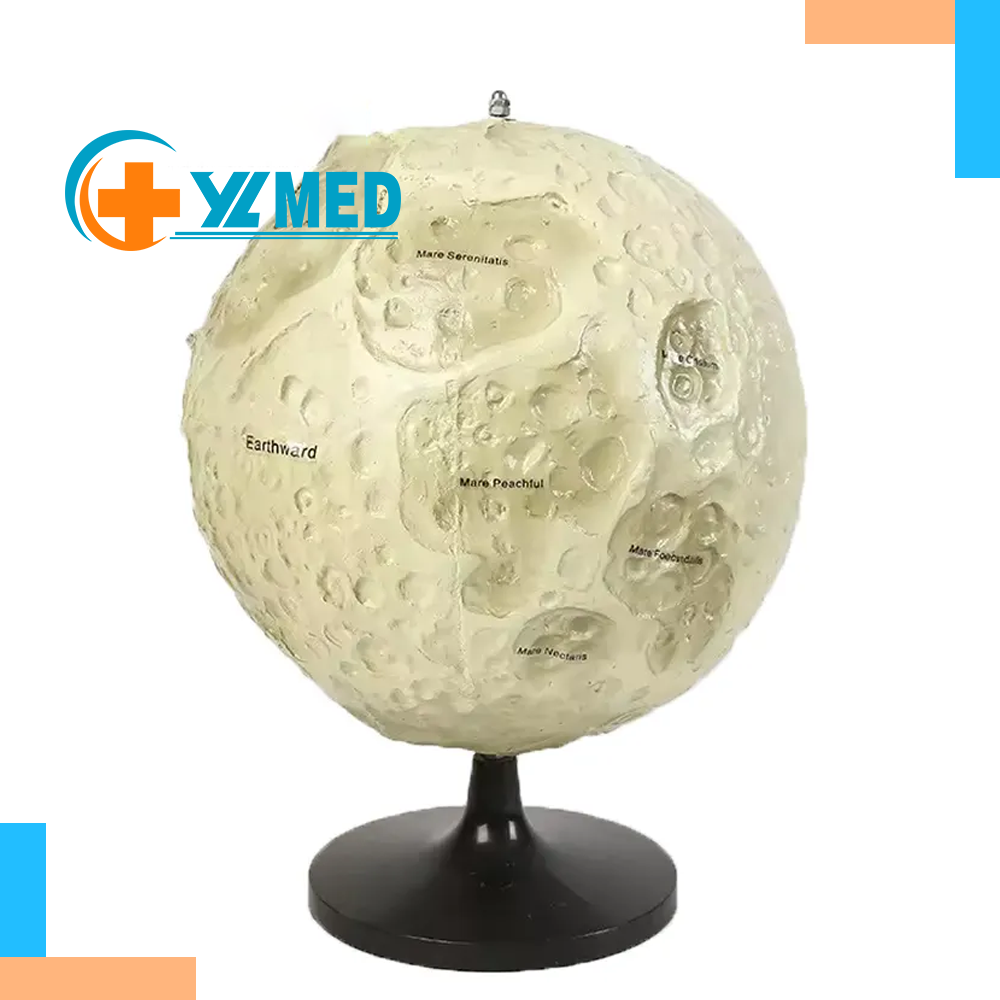
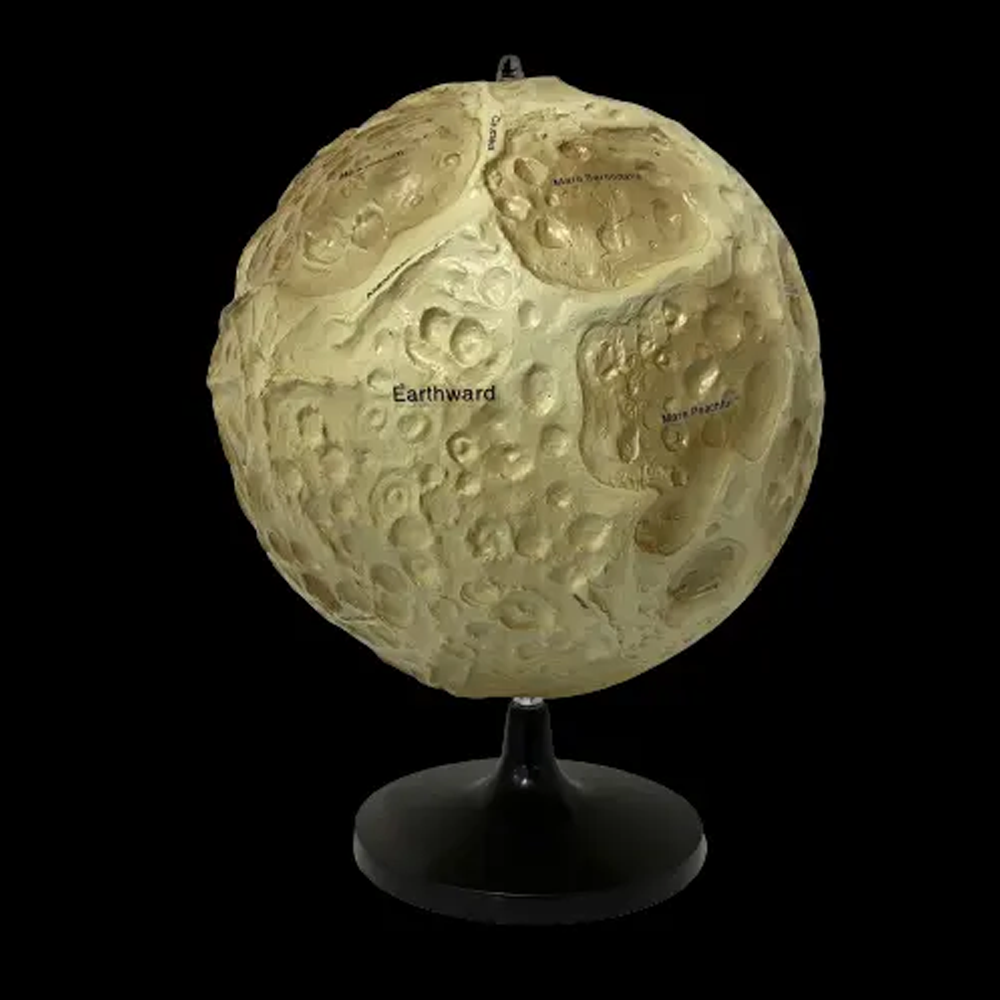
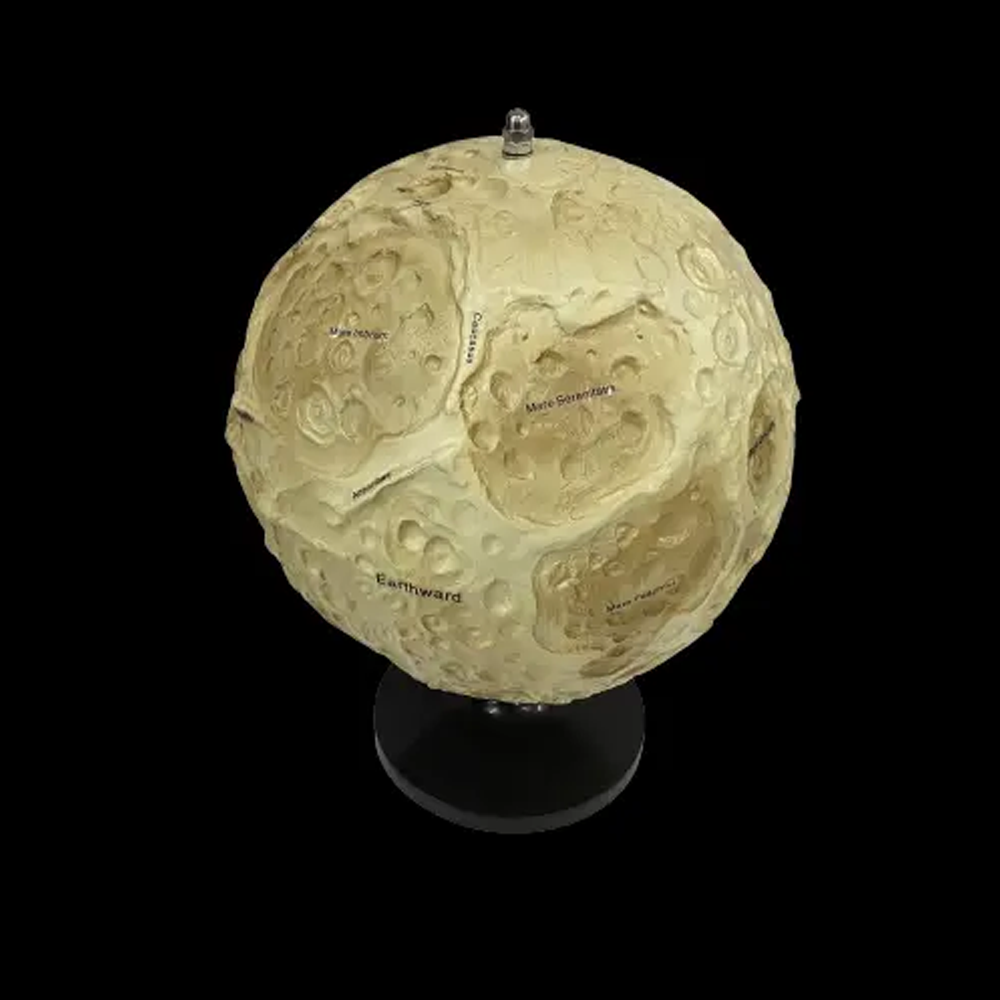
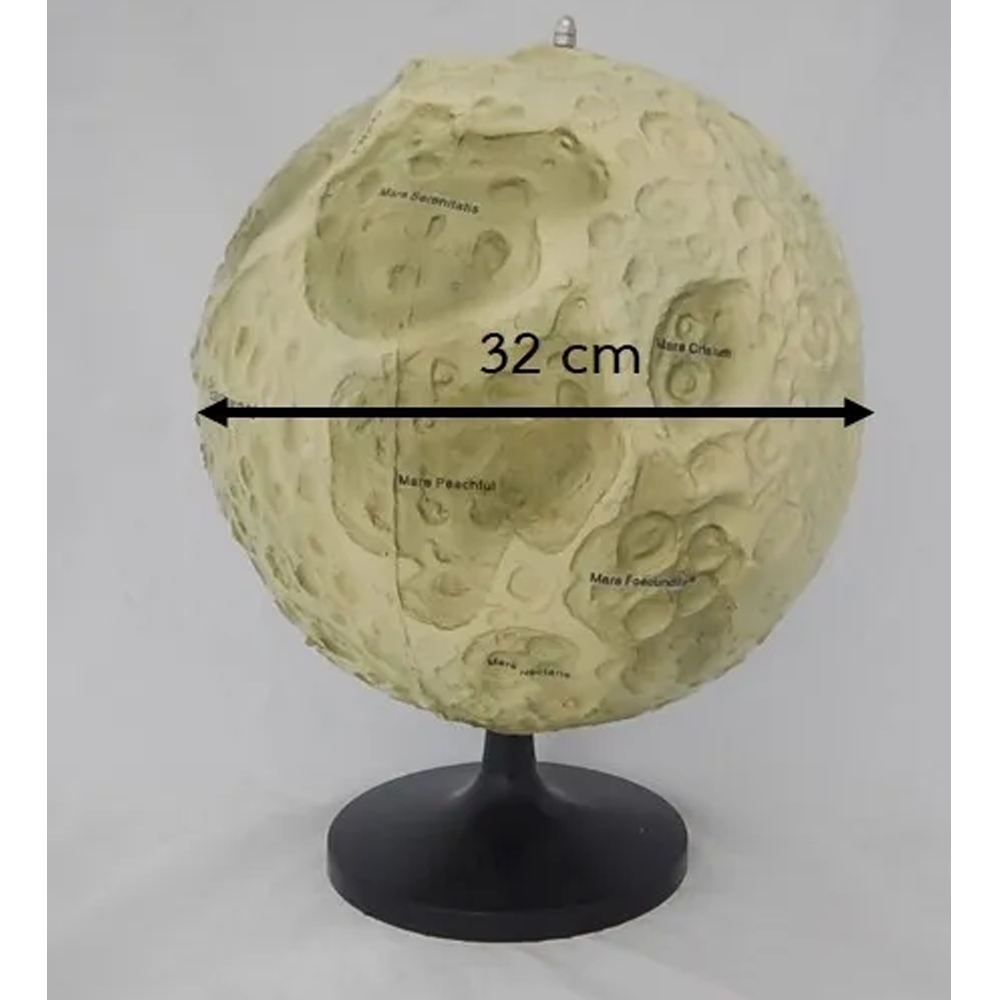
On the moon, to the satellite, often see that there are many large and small, potholed pits on the moon, called moon pits. That crater was caused by an asteroid impact, or a volcanic eruption on the moon’s surface. This lunar model simulates the real lunar surface morphology, with craters of different sizes on the surface, so that learners can have a more realistic understanding of the structural characteristics of the moon.


The moon has a fluid outer core and a solid inner core similar to the Earth.
Geography teaching home craft decoration teaching model of Lunar structure Geographical model of lunar surface structure
Products categories
-
Newest Assemble Wooden Intelligent Science Kits...
-
Tectonico Placa Terrestre Modelo Globo Educativ...
-
Geography Teaching Aids Rotating 360 Globe Educ...
-
Shaking head fan No. 2 Scientific experiment mo...
-

Medical Science Enlarged Locust Structure Anima...
-
Self-made electric remote control buoyancy boat...