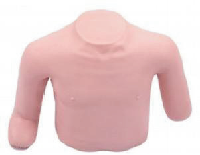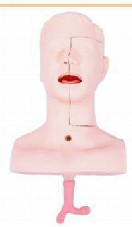

Neonatal ACLS Comprehensive Emergency Skill Training System Neonatal Emergency Mannequin Compliant with AHA 2020 Emergency Guidelines
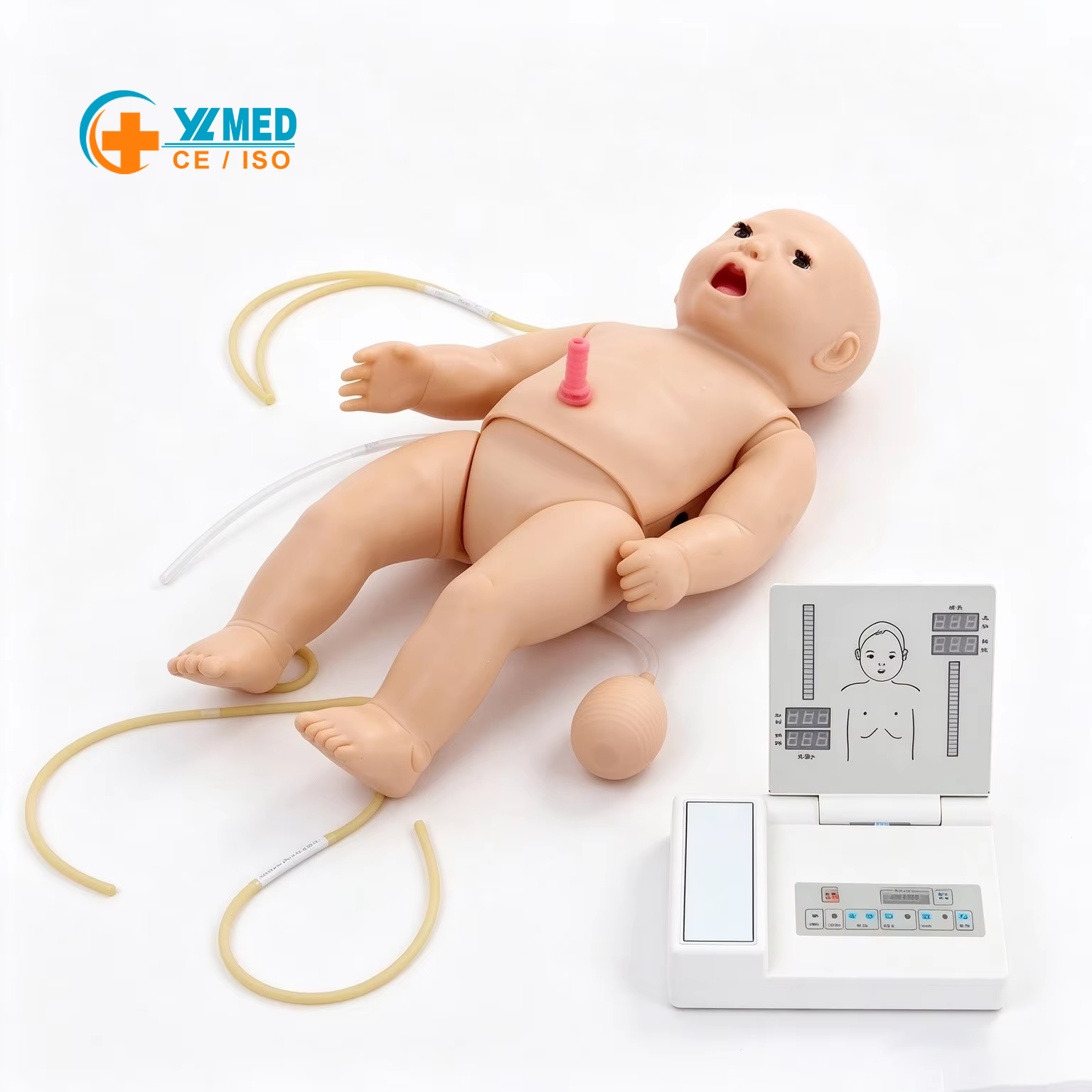
Neonatal ACLS Comprehensive Emergency Skill Training System Neonatal Emergency Mannequin Compliant with AHA 2020 Emergency Guidelines
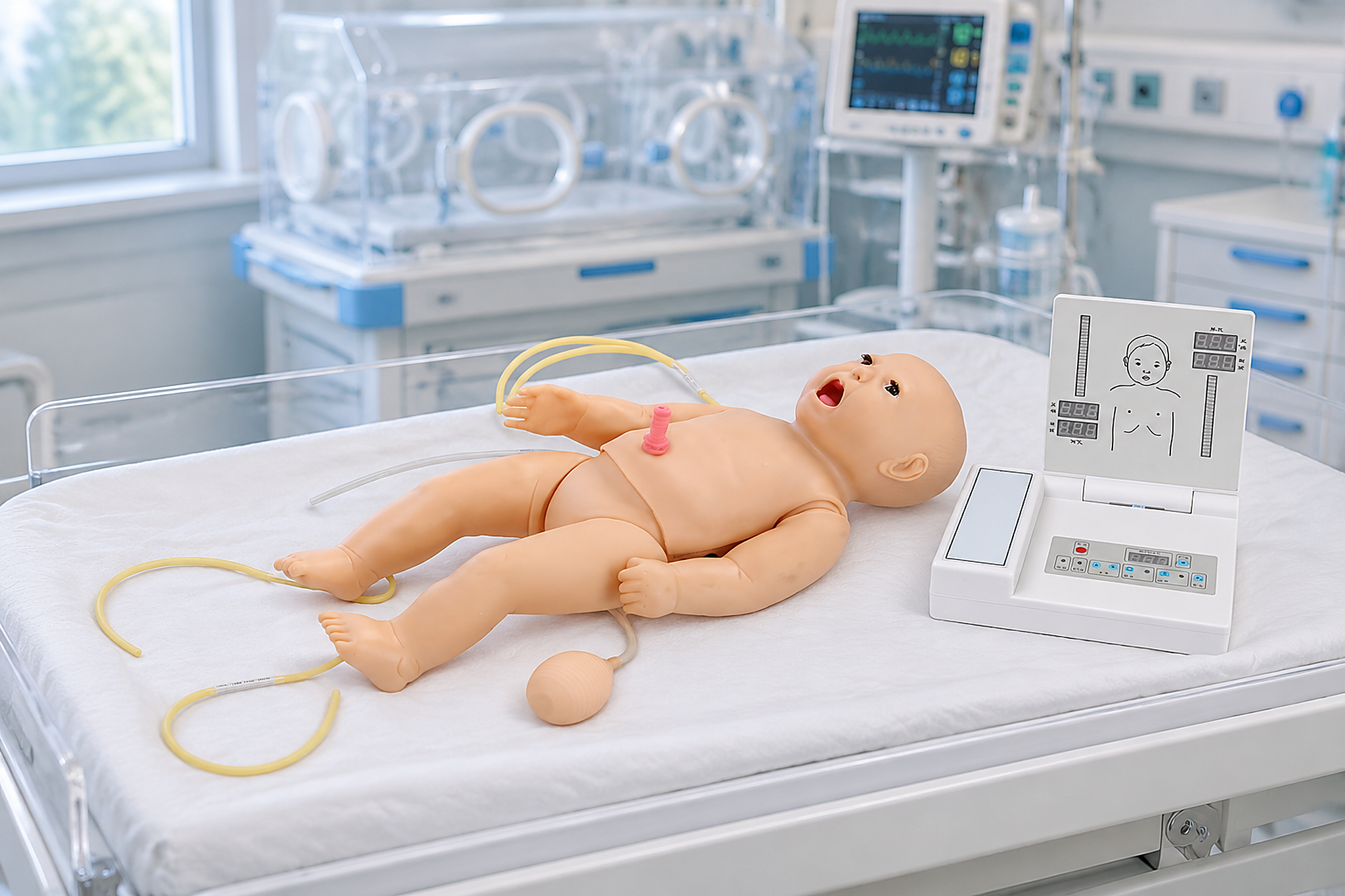
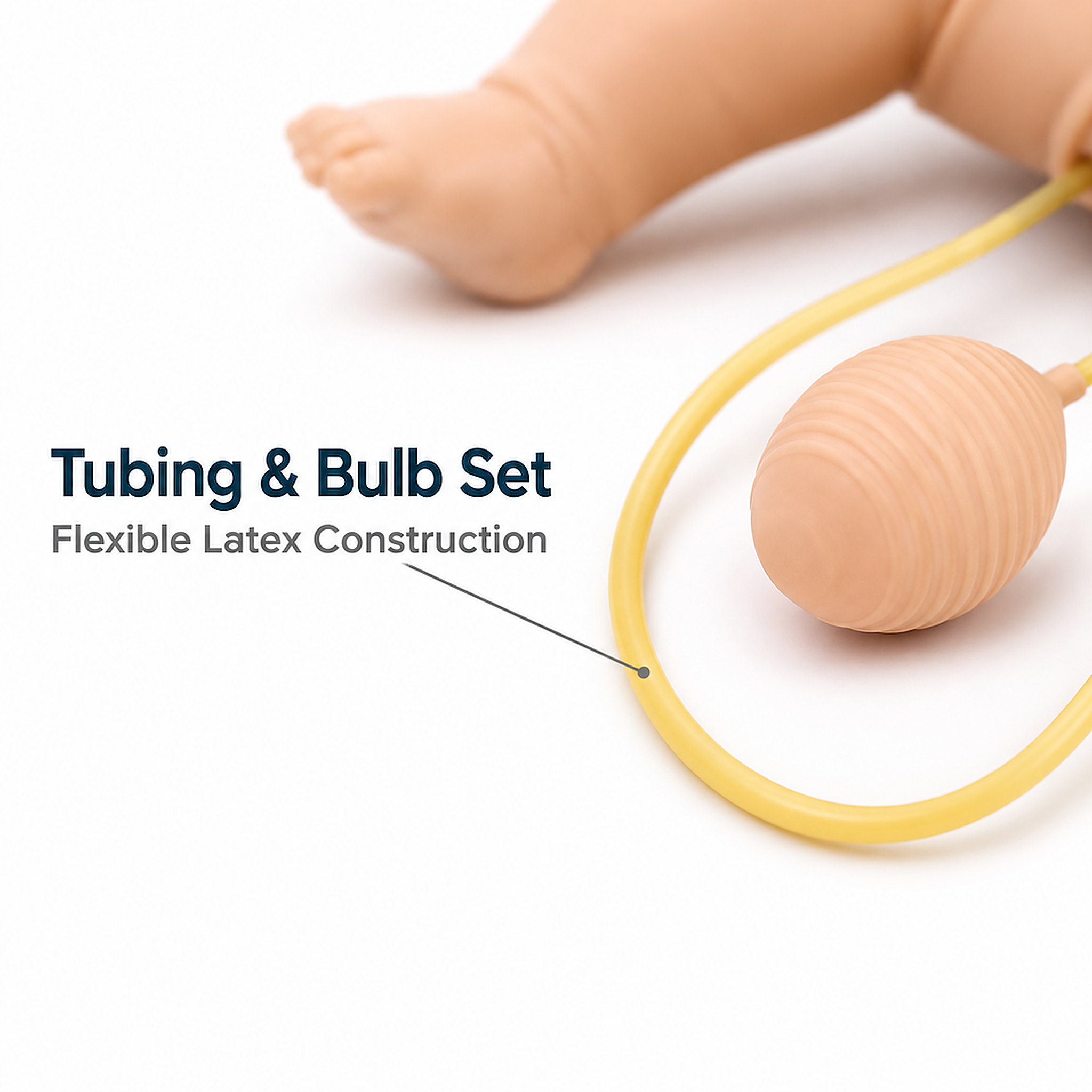
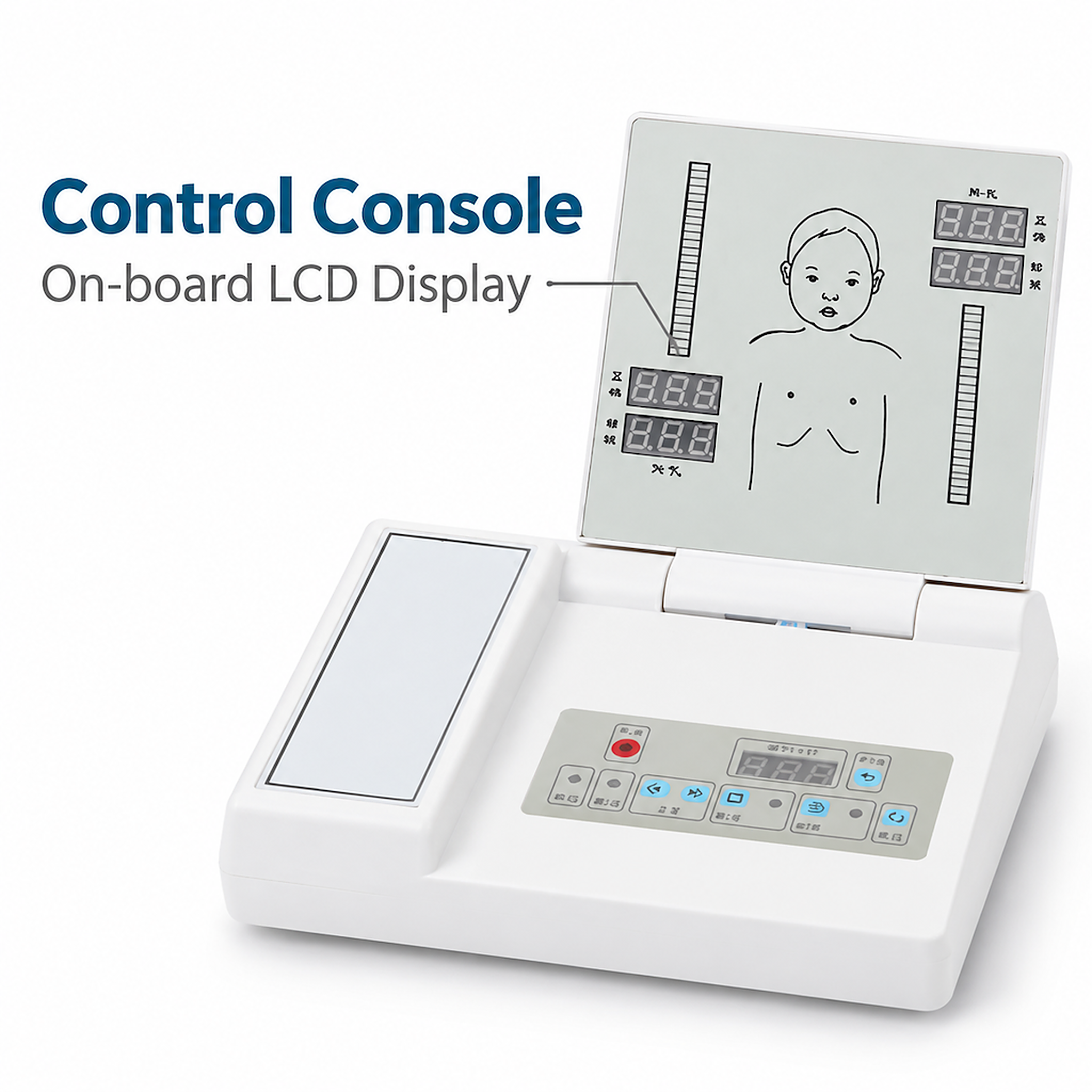
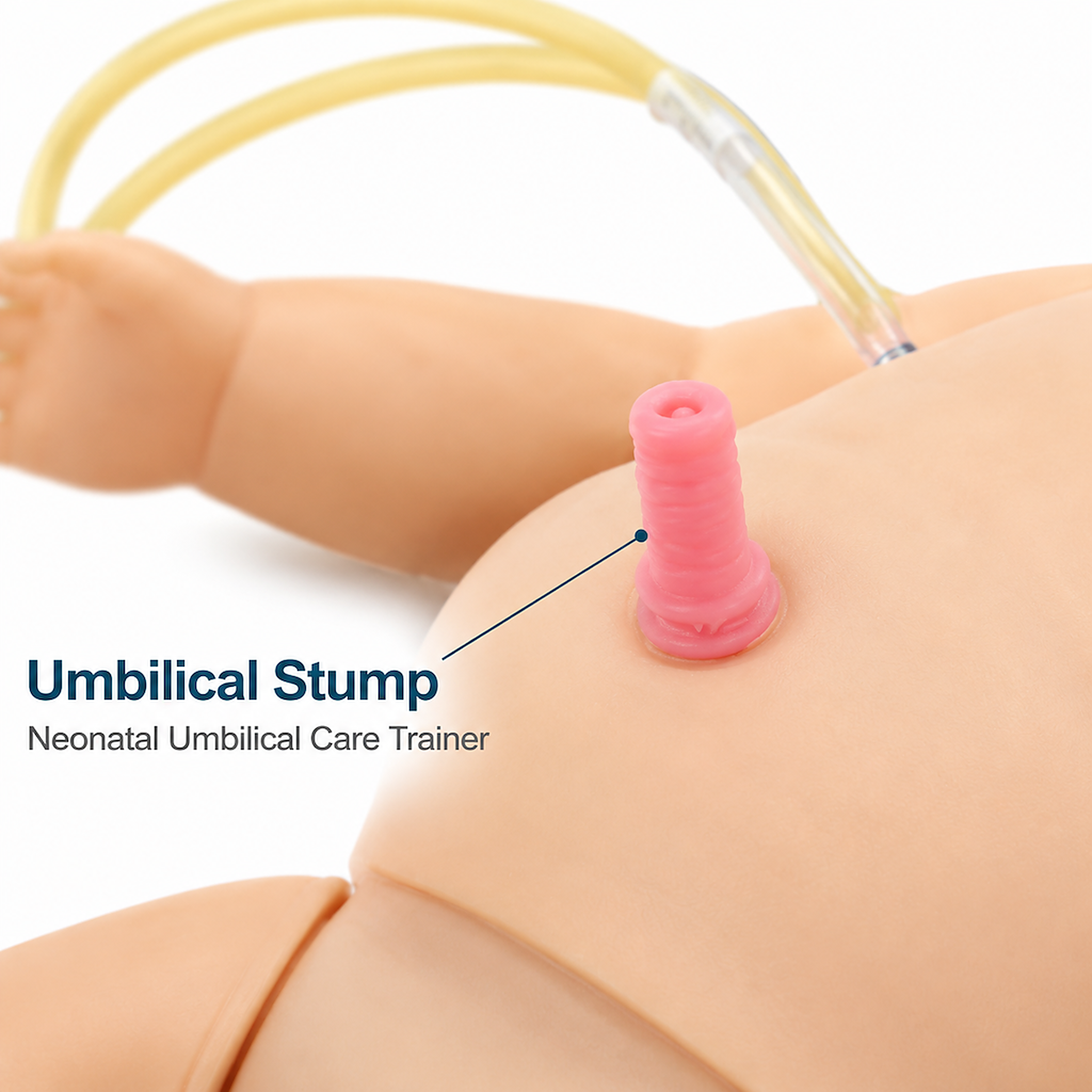
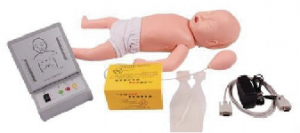
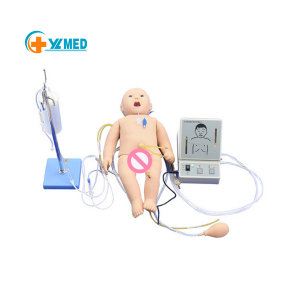
It is designed based on neonatal anatomical and physiological features and made of imported simulation material. It meets AHA 2020 CPR and ECC guidelines. It supports vital sign simulation with normal and dilated pupil comparison and simulated pulsation of carotid femoral brachial and umbilical artery. It has realistic airway structure for oral endotracheal intubation and sputum suction practice. It supports multiple ventilation modes for CPR training. Electronic monitoring tracks airway opening, ventilation count, frequency and volume, compression count, frequency, position and depth. It automatically judges the ratio of ventilation to compression and shows real time data in Chinese. It supports cardiopulmonary auscultation with more than one hundred sound sources of normal and abnormal heart sounds breath sounds bowel sounds and vascular murmurs. The ECG module stores 20 kinds of ECG waveforms for ECG monitoring. It can work with real defibrillator pacemakers to complete real defibrillation pacing. It comes with complete supporting accessories. The package size is 64*37*25cm and gross weight is 7.8kg.
The simulated body structure matches neonatal physiological features and creates highly realistic clinical emergency training scenarios. Rich vital sign simulation functions such as multi site artery pulsation and pupil change display the sign change during rescue intuitively. The electronic monitoring system accurately records every CPR movement and gives instant feedback to standardize operation. Massive sound and ECG libraries cover common neonatal conditions. It is compatible with real defibrillation pacing equipment for higher training authenticity than basic mannequins. The integrated package contains all required accessories so users can start full ACLS training directly. Compact packing makes storage and transport easy.
Hospitals and schools can carry out standardized neonatal emergency training and assessment following international emergency guidelines. Emergency doctors and trainee medical staff can practice complete neonatal emergency procedures repeatedly to master airway management CPR and defibrillation pacing and reduce operation risks in real clinical rescue. Instructors can identify improper operations quickly from real time data and give targeted guidance to improve training efficiency and help learners master neonatal ACLS skills proficiently.
This system is widely used in emergency departments, neonatal departments of hospitals, medical colleges and health schools for emergency training. It serves as professional teaching equipment for standardized neonatal advanced life support training and meets the demand of regular skill refresh training and assessment for medical workers.