

The accuracy of electron and optical microscopes varies depending on the type and design, as follows:
Precision of electron microscopy
Transmission electron microscopy (TEM) : At present, the resolution accuracy of transmission electron microscopy has been able to resolve structures below 0.2μm, and the polar limit resolution can reach 0.1nm. For example, some good transmission electron microscopes have a resolution of 1.5 to 2A (1A =0.1nm), which can resolve almost all atoms.
Scanning electron microscopy (SEM) : Spatial resolution of 1μm³ is typically achieved, although precision may vary depending on the type of equipment and viewing conditions.
Accuracy of light microscopy
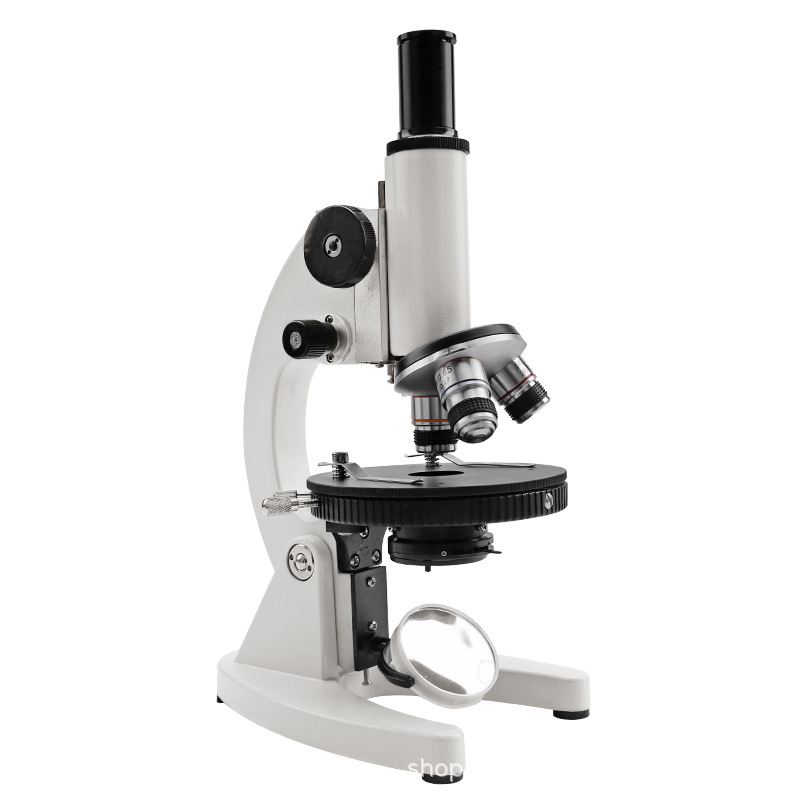
General optical microscopy: its limit resolution is usually about 250nm, which is 1 million times higher than the resolution of the human eye (0.25mm). However, the resolution and magnification of optical microscopy can be significantly improved by using high-precision lenses and optical techniques.
High-precision optical microscope: such as optical digital microscope, its resolution accuracy can reach 0.1μm, magnification up to 5000 times. In addition, there are high-precision analytical instruments based on the principle of white light interference such as three-dimensional optical microscopy, which can achieve surface topography measurement with subnanometer resolution.
Special optical microscopy: such as optical nanoscopy with 2nm positioning accuracy, such as MINFLUX technology, marking that nanoscale resolution microscopy has officially entered the field of life science research.
Post time: Nov-01-2025