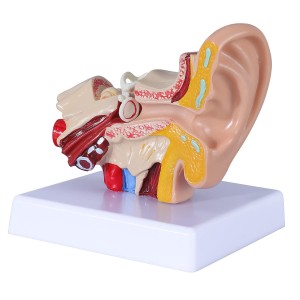

Laryngeal Tracheal Bronchial Anatomy Model-Human Trachea and Larynx Organ Structure for Medical Research & Teaching
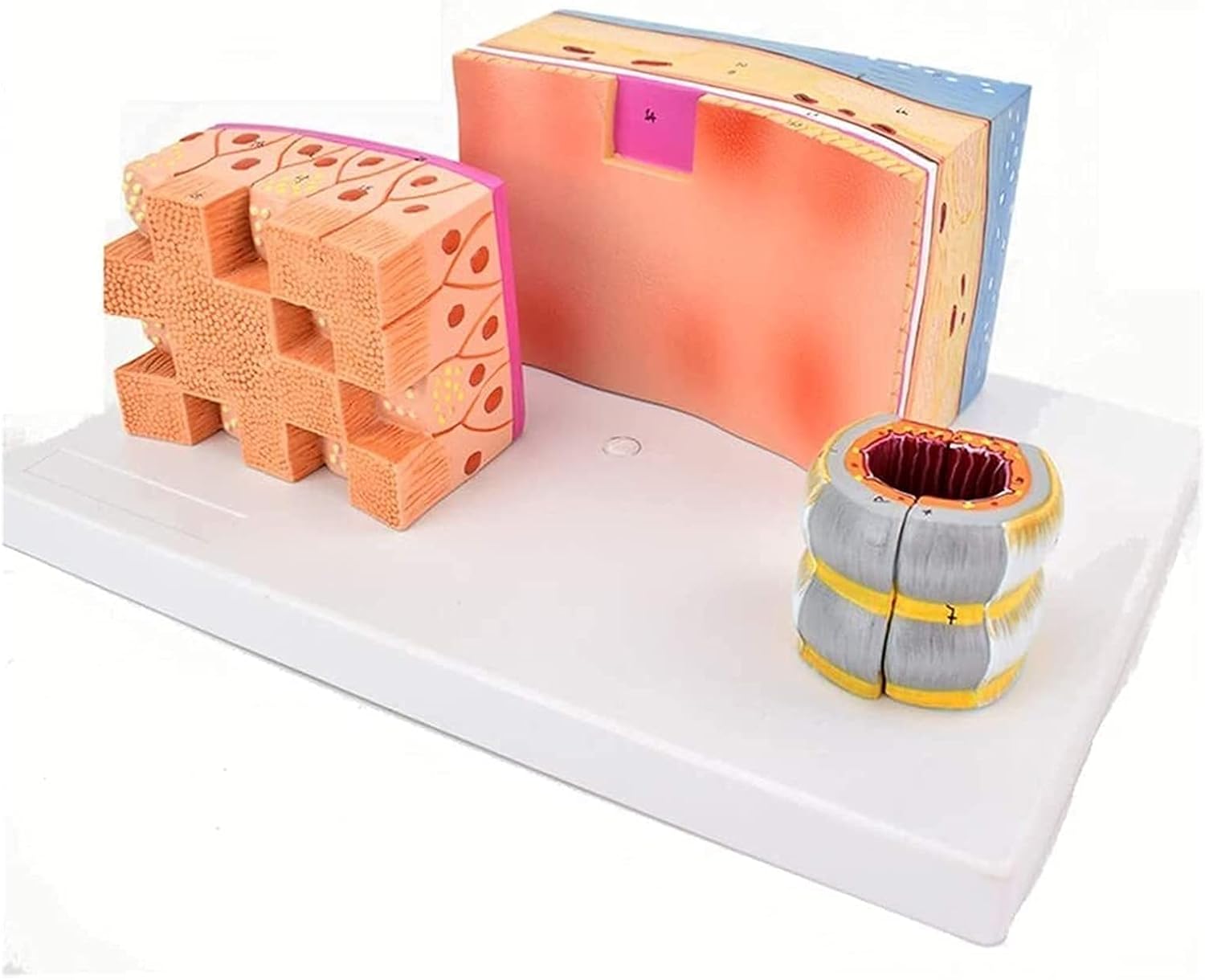
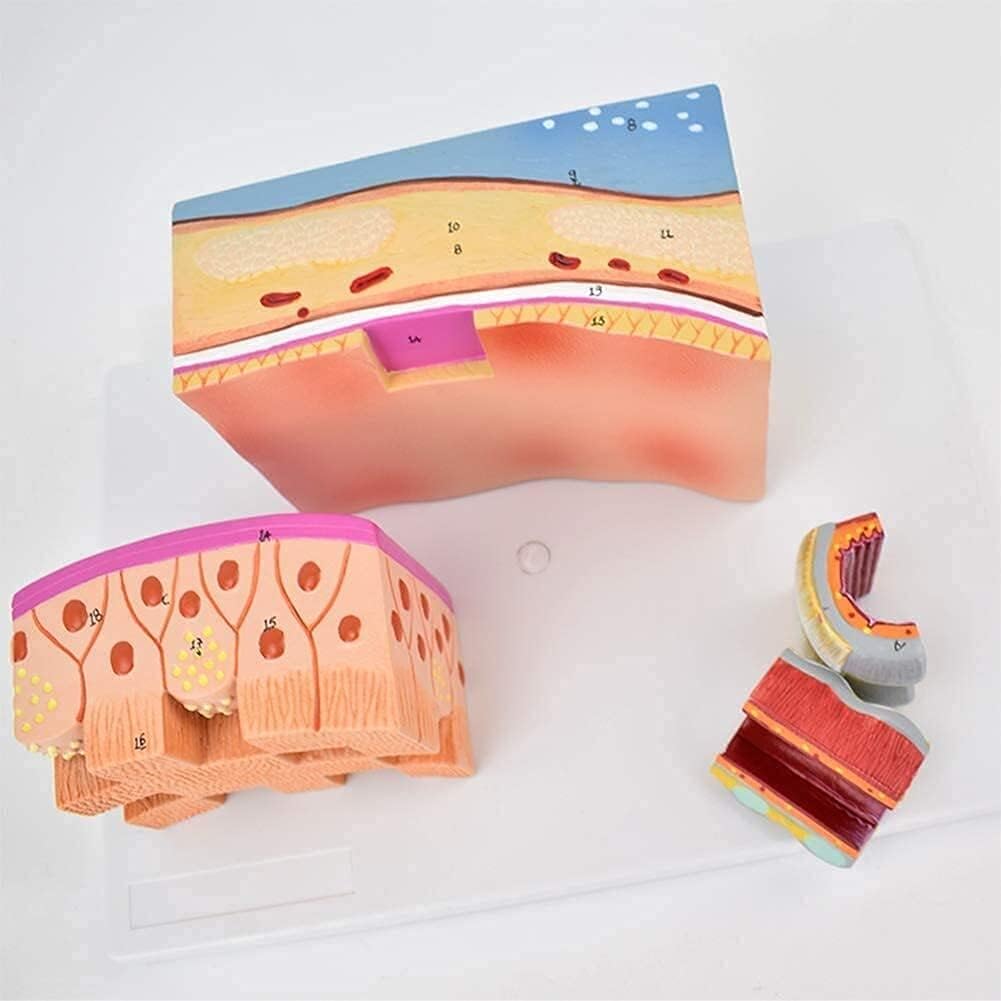
Laryngeal Tracheal Bronchial Anatomy Model-Human Trachea and Larynx Organ Structure for Medical Research & Teaching
Medical Science Human Trachea Anatomical Structure Tracheal Wall Larynx Anatomy Respiratory System Experimental Teaching
|
Product name
|
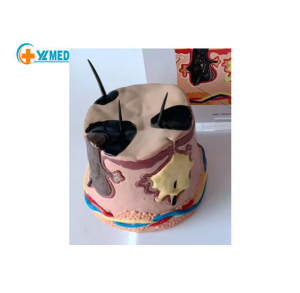
Model of the human tracheal wall
|
|||
|
Weight
|
10kg
|
|||
|
Size
|
Human Life Size
|
|||
|
Material
|
pvc
|
|||

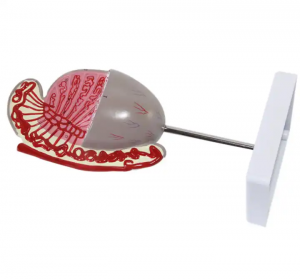
* Features: It features a magnified three-dimensional anatomical structure that accurately simulates the microscopic morphology of cardiac muscle (including intercalated discs, branching fiber arrangement, centrally located nuclei, and connective tissue support), with a clear hierarchical display covering core cardiac muscle tissue characteristics. It uses high-fidelity medical-grade resin material that mimics the natural texture and color of cardiac muscle tissue, and eco-friendly non-toxic, odorless, scratch-resistant and durable materials that support repeated observation, disassembly and teaching demonstrations to reduce training costs, all meeting medical histology education standards.
* Advantages: Compared with common products, its branching fiber and intercalated disc design enables repeated risk-free observation of cardiac muscle cell arrangement, nuclear morphology, and intercellular junction structure to significantly improve learners’ understanding of cardiac muscle histology and physiological contractile coordination mechanisms, and reduce cognitive errors in microscopic anatomy; the high-fidelity texture and color-coded structure provide intuitive visual and tactile feedback to enhance teaching effectiveness and shorten learning cycles; while the stable base and wear-resistant materials ensure long-term high-frequency use with low maintenance to meet multi-scenario educational and research demonstration needs.
* Benefits: It provides professional histology and physiology training tools for medical students, cardiologists, and anatomy researchers to standardize the cognition of cardiac muscle tissue structure and physiological functions, improve the accuracy of clinical pathological diagnosis and basic research level, supports standardized assessment of microscopic anatomy knowledge to enhance learners’ clinical application ability and scientific literacy, and helps foster specialized talents in cardiology,histology, and physiology.
* Certifications & Evidence: It has obtained relevant certifications including ISO9001, ISO14001, CE and ROHS, ensuring compliance with international medical education and safety standards.


This model is suitable for medical teaching and nursing models, greatly facilitating the daily operations of doctors